



Body language has its own vocabulary

A lot of communication happens without a single word being said. A raised eyebrow, a tightened jaw, a glance held a second too long, all of it carries meaning, and English has a fairly specific vocabulary for describing it.
From something as simple as a squint to more particular expressions like furrowing or the side-eye, there's a word for almost everything a face can do.
When someone raises both eyebrows and tilts their head back for a second, that's an "eyebrow flash." It's a quick, wordless way of getting someone's attention or acknowledging them. Raising just one eyebrow means something else entirely. That's "cocking an eyebrow," and it usually signals disbelief.
"Squinting" is simpler, just partially closing your eyes to see something more clearly, whether it's bright light, small text, or something far off in the distance.
A few ways these come up:
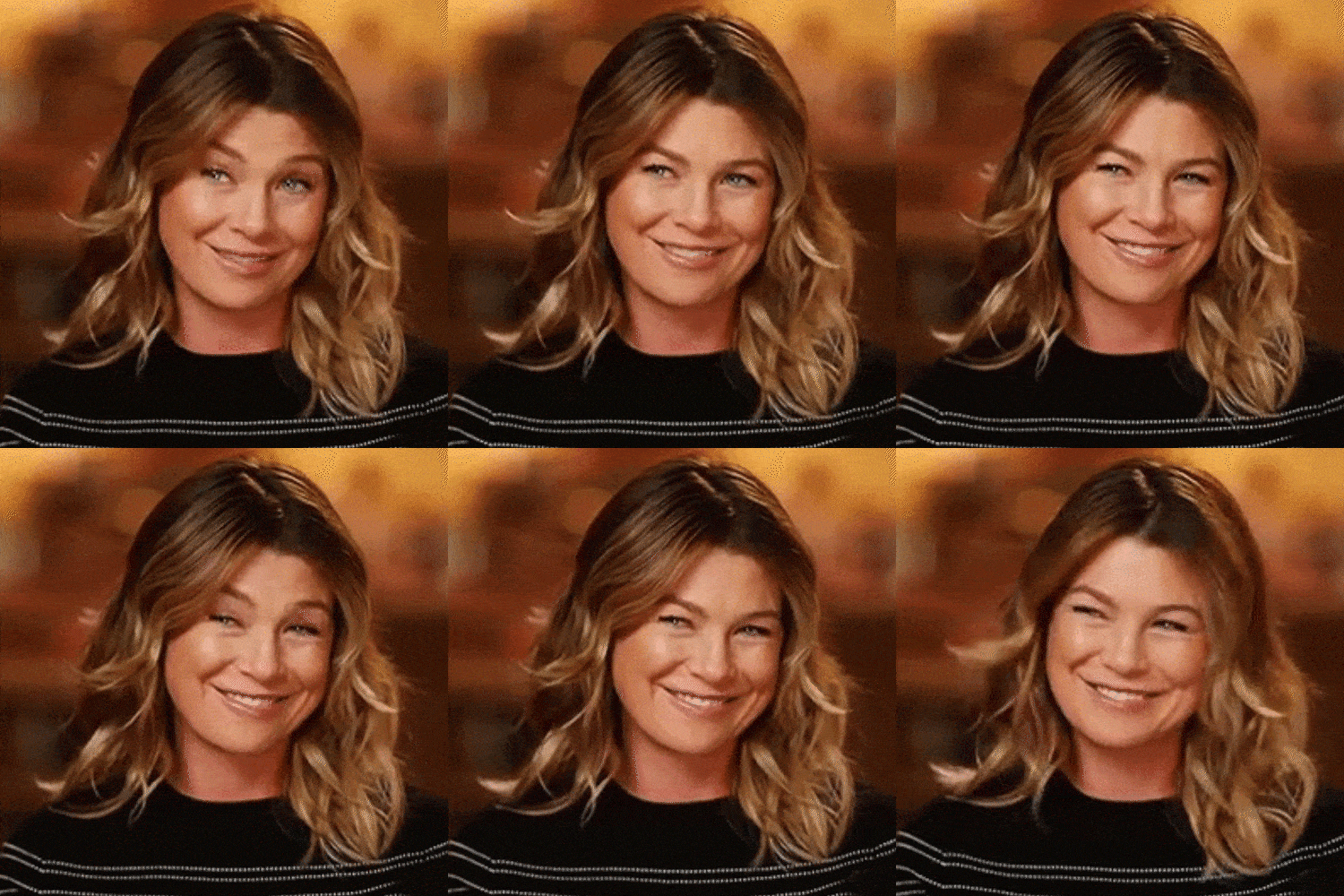
A "frown" is turning the corners of your mouth down, usually a sign of sadness or dissatisfaction. Frowns are often accompanied by "wrinkles," the small folds or lines that show up in the skin when a face moves a certain way. When someone frowns hard enough, that's called "furrowing." It's a deep crease that usually appears between the eyebrows, and it signals concentration or disapproval.

"Scowling" takes frowning a step further. It’s an angrier, more deliberate look of displeasure. Add a fixed, unfriendly stare to that and you get the "evil eye," a look meant to convey clear disapproval or even resentment.
"Pouting" is a bit different from the rest. It means pushing your lips forward. Depending on the context, it can signal sadness or annoyance, or come across as a deliberate, almost flirtatious expression.
A few ways these come up:
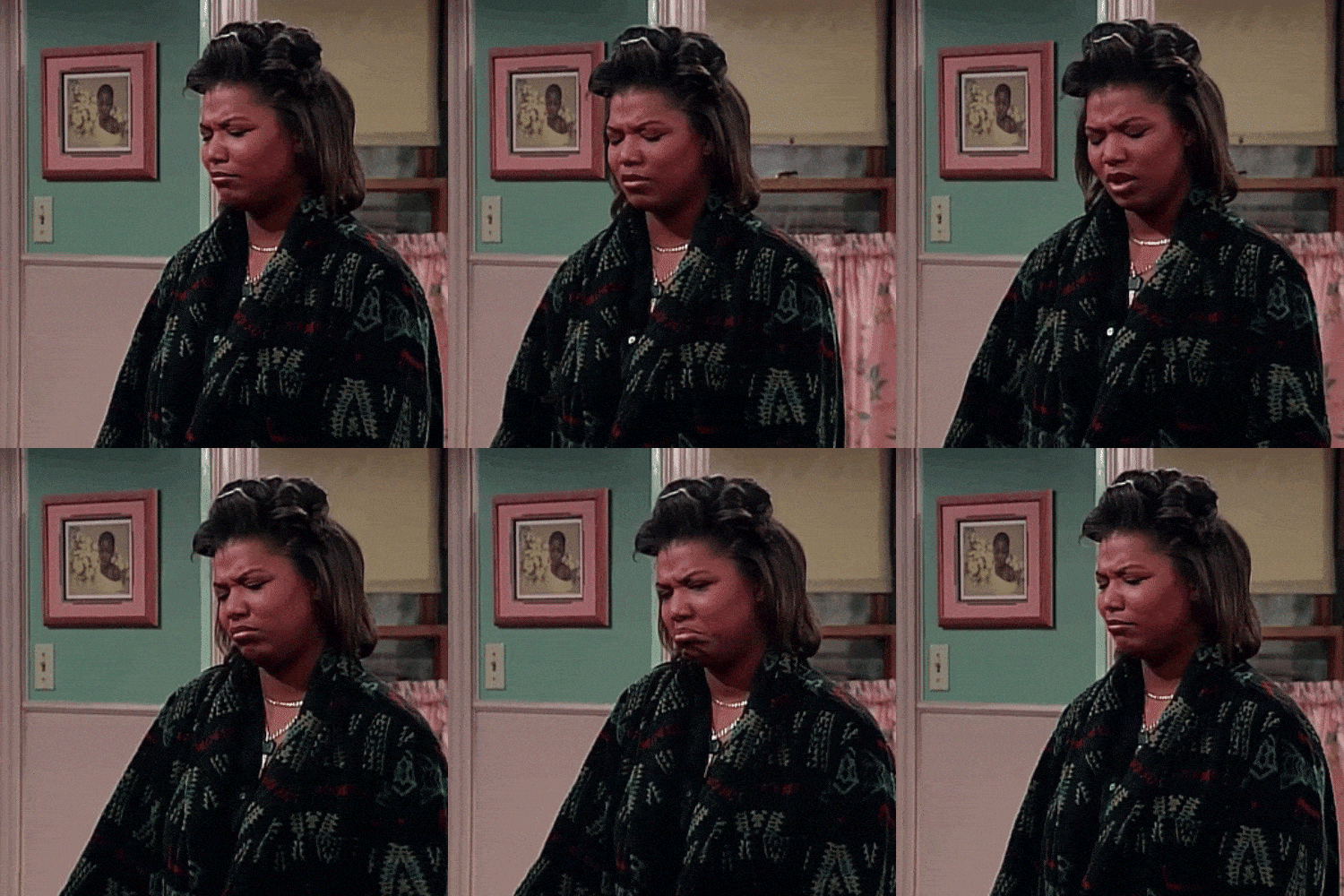
"Cringing" is what happens when you see or hear something embarrassing. Your body reacts almost automatically by pulling back or tensing up. It's usually about someone else's actions rather than your own. Like watching a bad joke land badly, or catching an awkward moment you wish you hadn't seen.
"Wincing" looks similar but comes from a different place. It's a quick, involuntary reaction, where your face tightens or twists slightly, in response to pain or the thought of it. You don't have to actually feel pain to wince. Just imagining it is often enough.
A few ways these come up:
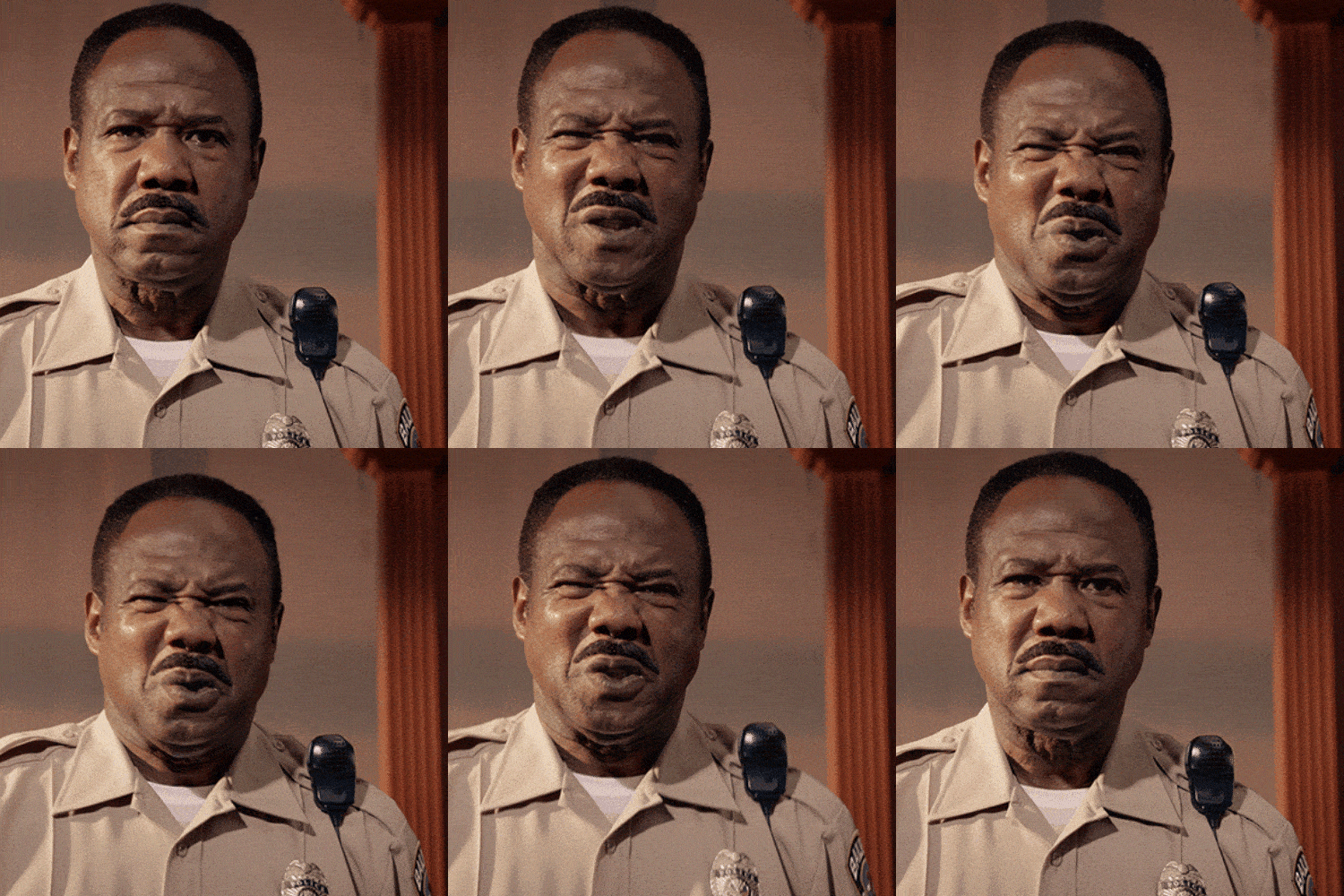
A "wink" is closing one eye briefly, and what it means depends a lot on context. It can signal a joke, imply something's meant to stay between the two of you, or just work as a friendly, casual greeting. It's worth using carefully though, since the same gesture can come across as unsettling depending on who's involved and how it's read.
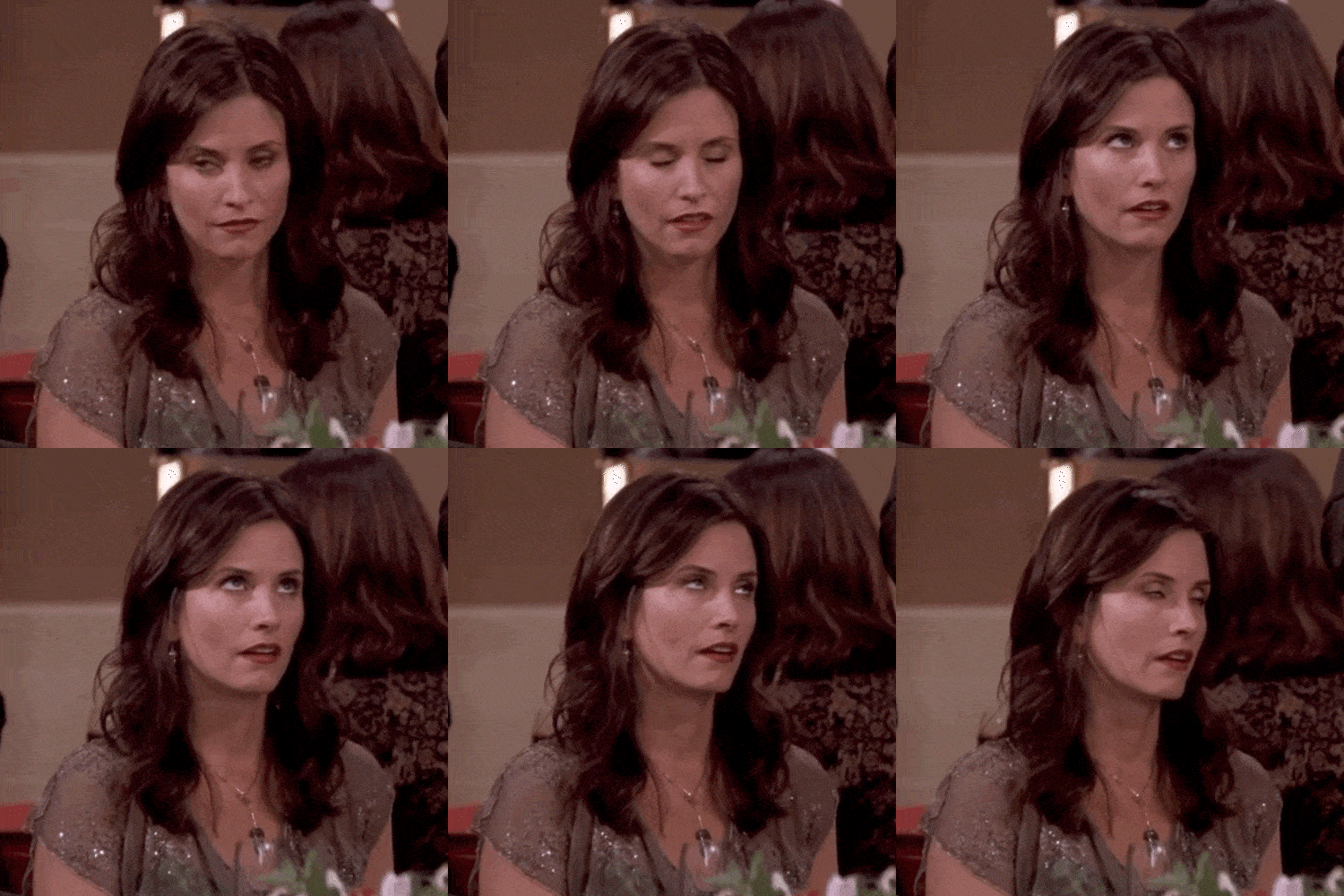
"Eye-rolling" is much more direct. It usually means annoyance, frustration, or disbelief, a way of showing you disagree with something or don't take it seriously.
The "side-eye" is a quick, sideways glance, usually aimed at someone whose behavior seems questionable. It's subtler than a full eye-roll, but it carries a similar message of doubt or disapproval.
Blinking speed matters too. Blinking quickly can suggest discomfort or even dishonesty, while blinking slowly is often read as boredom, or sometimes a quiet sense of superiority.
A few ways these come up:
When you're picking up a new language, most of the attention goes to words: vocabulary, grammar, pronunciation. But a real conversation isn't just spoken. You can know every rule of grammar and still miss what someone's really saying if you're not reading their body language. At the end of the day, actions speak louder than words.
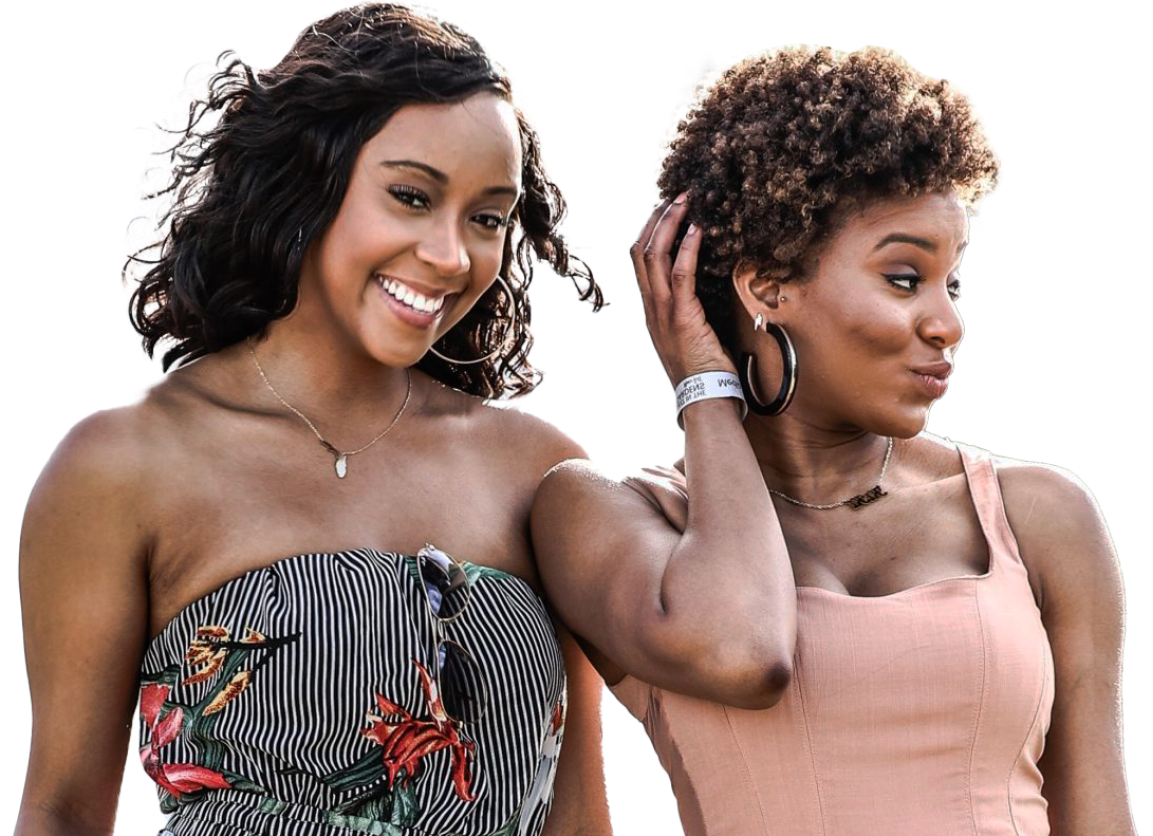














We are committed to equity,
diversity, and inclusion.
We welcome students,
educators, users, researchers,
and employees from a diverse
set of backgrounds.
Our own backgrounds vary in
terms of socioeconomic status,
religion, race, ethnicity,
gender
identity, sexual orientation,
age, neurodiversity,
disability,
and nationality.
In short: Be you. Do you.
We love and embrace
what makes you you. 
Thank you for inviting us to assess
your web copy!
One of our copy analysts will take
a close look at your website and
get back to you right away.
We appreciate your trust.


