


The way we talk about neurodiversity

Language doesn't just describe neurodiversity. It steers how we think about people who experience the world differently.
The words we choose can make neurodiverse people feel accepted or pushed to the margins, even when the facts don’t change. That impact is easy to miss but hard to undo.
Pay attention to how neurological differences get described in everyday conversation. You'll notice a pattern: everyday language emphasizes what's missing or broken.
"She can't focus."
"He doesn't get social cues."
"They're not good with change."
These might be true in the moment, but they only point at what's missing. That kind of language affects how neurodiverse people see themselves and how others treat them.
Now compare that to a different way of describing the same traits.
"She focuses intensely on things that interest her."
"He communicates directly without social filtering."
"They value consistency and notice when systems change."
The observations haven’t changed, but the meaning has. The second version names the limits without turning them into a label.
You see this pattern in smaller phrases too. Describing someone as “too sensitive,” for example, can ignore the fact that they’re responding to details others don’t notice. The same thing happens with words like “obsessed,” which sounds unhealthy, versus “deeply passionate,” which sounds admirable. And “antisocial” often misrepresents people who simply find social interaction draining.
A lot of what gets called "too much" turns into a strength the moment you reframe it.

Framing isn’t only about which words you use. It also comes through in how we put sentences together.
There's a meaningful difference between "disabled person" and "person with a disability." The first phrase makes the disability the defining characteristic. The second acknowledges it as one aspect of a whole person.
Some research suggests person-first language can reduce stigma and help listeners see the individual before the diagnosis. It's a tiny change in word order with a surprisingly big effect.
That said, some people prefer identity-first language ("autistic person" rather than "person with autism"), and that preference deserves equal respect. The broader principle remains: let people define themselves rather than letting a single trait define them.
Phrases like "abnormal thinking" or "normal brain function" classify one kind of brain as right and the rest as off. Many researchers argue that this framing is outdated and potentially harmful. Human populations are neurologically diverse by default.
Describing someone as having "different ways of thinking" or "a different cognitive style" acknowledges variation without ranking it. It flips the question from "what's the problem here?" to "how does this person's mind work?"
Avoiding the topic doesn't help anyone. When no one talks about it, the stereotypes stick and make neurodiverse people feel like their differences are something to hide.
Open conversation, using thoughtful language, does the opposite. When people share what their experience is really like, and others listen instead of diagnosing, understanding grows. Instead of pretending everyone's brain works identically, even workplaces function better when neurological differences are recognised openly.

These conversations take vulnerability and a willingness to be wrong sometimes. But they're worth having, because they replace assumptions with actual knowledge.
You don't need to memorize a perfect script or police every word. Start by noticing when you default to deficit language about neurological differences. Ask yourself if there's a more neutral or strength-based way to express the same observation. When talking with neurodiverse people, take cues from how they describe themselves.
Of course, language alone won't create inclusion, but it's a meaningful starting point. Our word choices show whose views we value and which differences we treat as normal variation instead of something to correct.
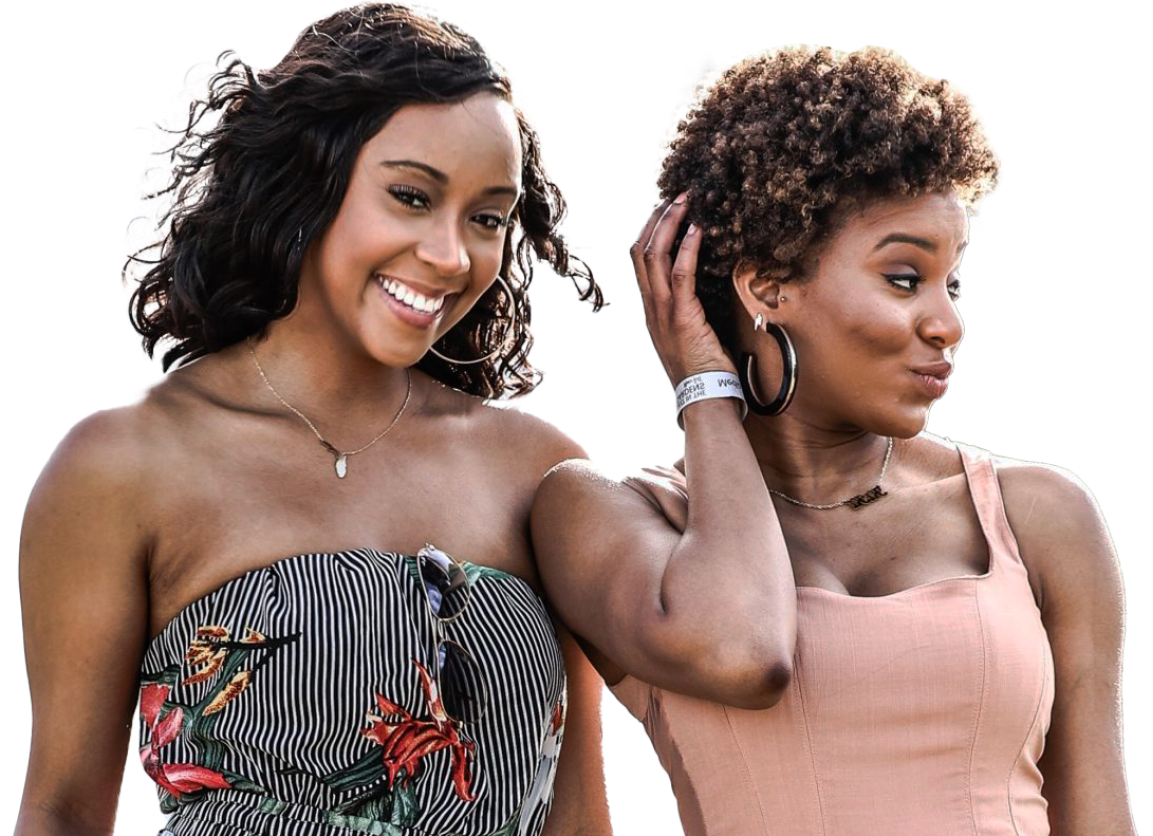













We are committed to equity,
diversity, and inclusion.
We welcome students,
educators, users, researchers,
and employees from a diverse
set of backgrounds.
Our own backgrounds vary in
terms of socioeconomic status,
religion, race, ethnicity,
gender
identity, sexual orientation,
age, neurodiversity,
disability,
and nationality.
In short: Be you. Do you.
We love and embrace
what makes you you. 
Thank you for inviting us to assess
your web copy!
One of our copy analysts will take
a close look at your website and
get back to you right away.
We appreciate your trust.


