



How to use "at the end" and "in the end" correctly

You've probably heard both "at the end" and "in the end" in films, books, and everyday conversation. They look almost identical, but they're used in different situations.
We use "at the end" for a specific point in time: the moment something finishes. It's usually followed by "of" to say what's ending.

When it's clear what you mean, you can drop the "of":
"In the end" is about the final result, what happened after all the back and forth. It doesn't take "of."

You'll also hear it when someone sums up an argument: "In the end, it's your decision."
A common mistake is using "at the end" when you mean the outcome, like "At the end, we decided to stay home." If you can swap in "eventually," you need "in the end."
Want to improve your English? Watch Daily Dose of Denglisch Docs for quick tips to help you make steady progress every day.
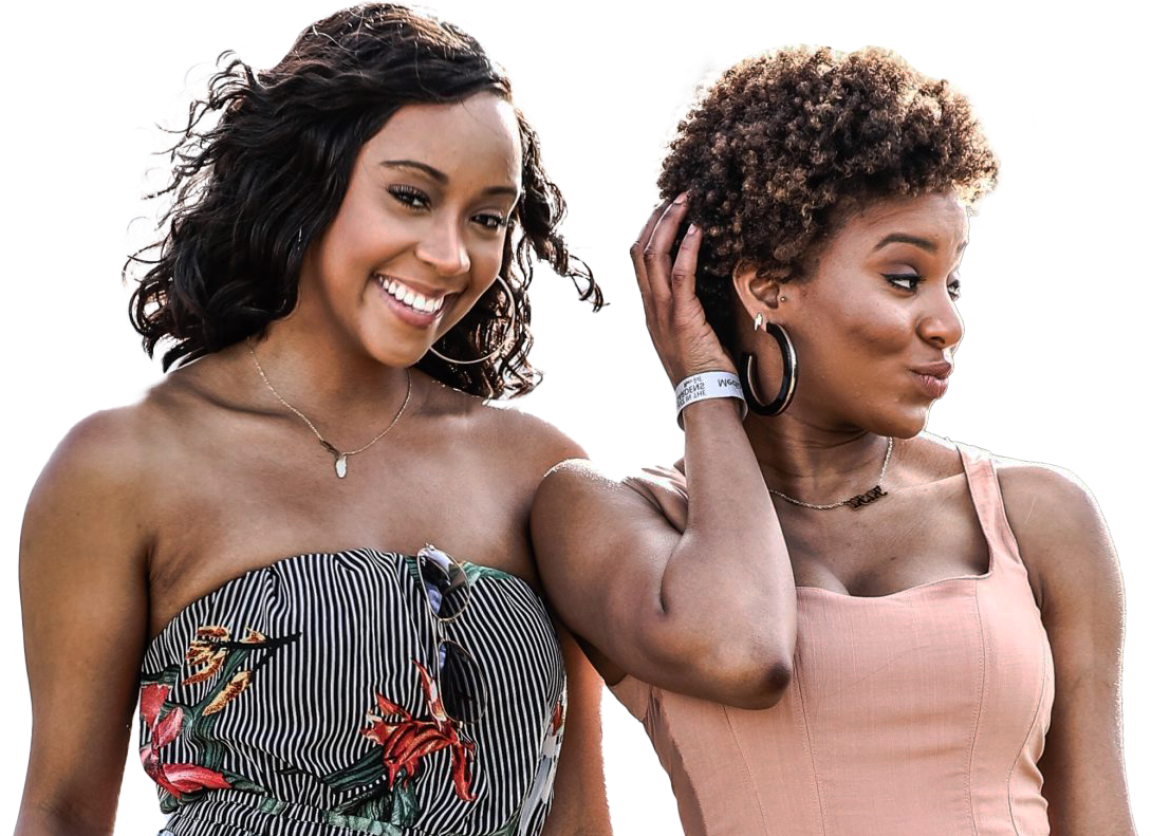


We are committed to equity,
diversity, and inclusion.
We welcome students,
educators, users, researchers,
and employees from a diverse
set of backgrounds.
Our own backgrounds vary in
terms of socioeconomic status,
religion, race, ethnicity,
gender
identity, sexual orientation,
age, neurodiversity,
disability,
and nationality.
In short: Be you. Do you.
We love and embrace
what makes you you. 
Thank you for inviting us to assess
your web copy!
One of our copy analysts will take
a close look at your website and
get back to you right away.
We appreciate your trust.


